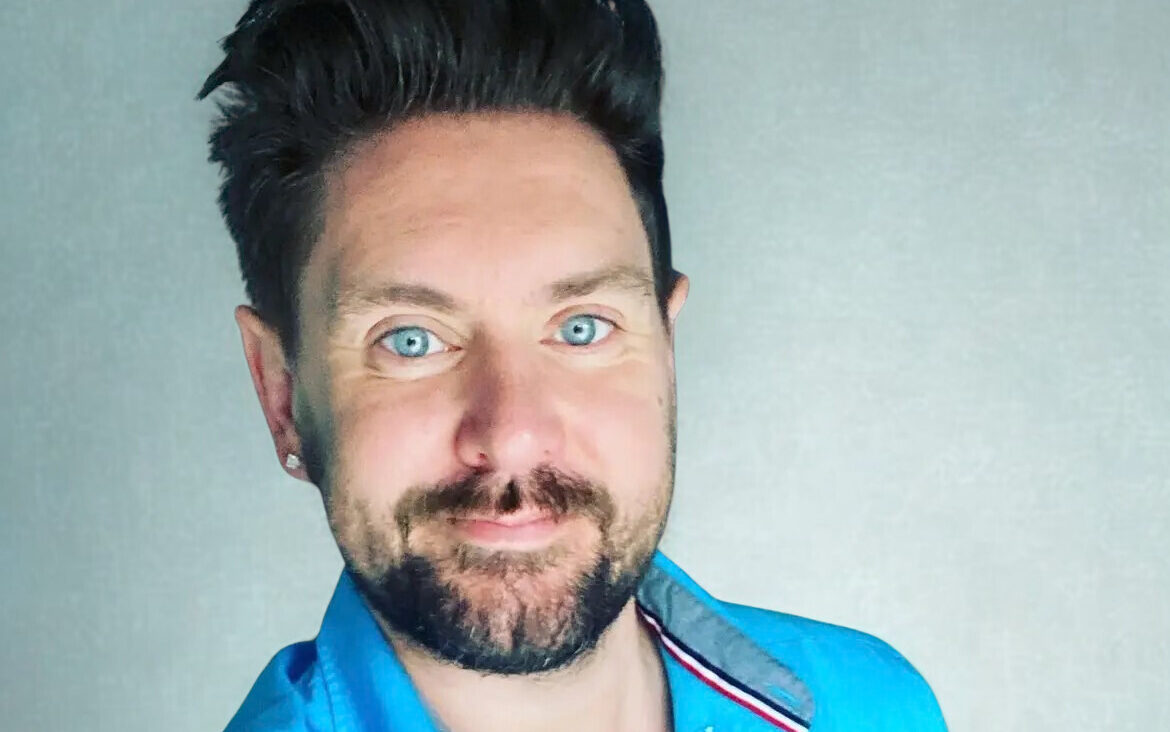
This is the first edition of Open Tabs, a blog about leading in the third sector with ADHD.
The blog is new. So is my diagnosis.
At 42, I was diagnosed with ADHD — after more than 20 years working in social care and the third sector, and over a decade in senior and executive leadership.
This first post is about how I got here — personally, professionally, and why diagnosis mattered.
Safe chaos
I was born in 1983, the oldest of seven children. Home was loud, busy, unpredictable — what I later described in my assessment as “safe chaos”.
That environment taught me how to read people early. How to notice emotions. How to adapt. How to make others feel safe, seen, and understood.
Those instincts became my values: equality, inclusion, justice, care. They’ve shaped every role I’ve held since.
Focus was always the problem
I have always struggled to focus.
In some settings, that was a strength — hyper-awareness, pattern-spotting, big-picture thinking. In others, it was a liability — especially in classrooms, deadlines, and admin-heavy work.
I was a crammer. Teachers worried. Exams went well. I didn’t know why — just that my brain could switch on at the last possible moment.
At university and early adulthood, that pattern continued. Deadlines slipped. Written work was hard. Structure was exhausting. Socialising (and binge drinking) became a reliable source of dopamine — something I understand very differently now.
Leadership came naturally. Organisation didn’t
I started working in social care at 21 and moved into leadership quickly. My first formal leadership role came at 24.
I understood mission, vision, values, and people. I struggled with systems, prioritisation, and execution.
I tried everything: to-do lists, Gantt charts, action plans, productivity tools. They worked — briefly. Then fell apart.
I was often:
- ahead of the curve and behind it
- energising one day, depleted the next
- capable of pulling off a miracle — or missing the mark entirely
The hardest part wasn’t the inconsistency. It was not understanding why.
Executive leadership didn’t fix it
In 2018, I became a CEO.
Some things got easier. Some got worse.
At executive level, it’s possible to hide struggles more easily. Decision-making became heavier. The consequences of mistakes louder. Self-doubt, overwhelm, imposter syndrome, and emotional fatigue became constant companions.
I was still driven. Still values-led. Still capable.
So why was everything so hard?
Grief changed the question
In October 2024, my dad died from lung cancer — two months from diagnosis to death.
I functioned on autopilot for a while. Then everything stopped.
I assumed depression. Increased my SSRI. It didn’t help.
Because I wasn’t despondent. I wasn’t hopeless. I was stuck — the same way I’d been stuck, on and off, my entire life.
Grief didn’t create the problem. It removed my ability to mask it.
Diagnosis
Endless scrolling eventually did something useful.
I started recognising myself in ADHD narratives — not the stereotypes I remembered from the 90s, but adult, high-functioning, values-driven versions.
After a lot of research, reflection, and therapy, I pursued assessment.
And here we are.
At the start of life with a diagnosis — but well down the road of living with ADHD as a third sector leader.
What comes next
In future posts, I’ll write about:
- overwhelm and overthinking
- high-functioning ADHD
- chaos vs creativity
- values-led leadership
- medication
- leading with empathy (including for yourself)
If any of this resonates, you’re very welcome here.
And yes — I might turn this into a podcast… if I can close a few tabs first.
Leave a Reply